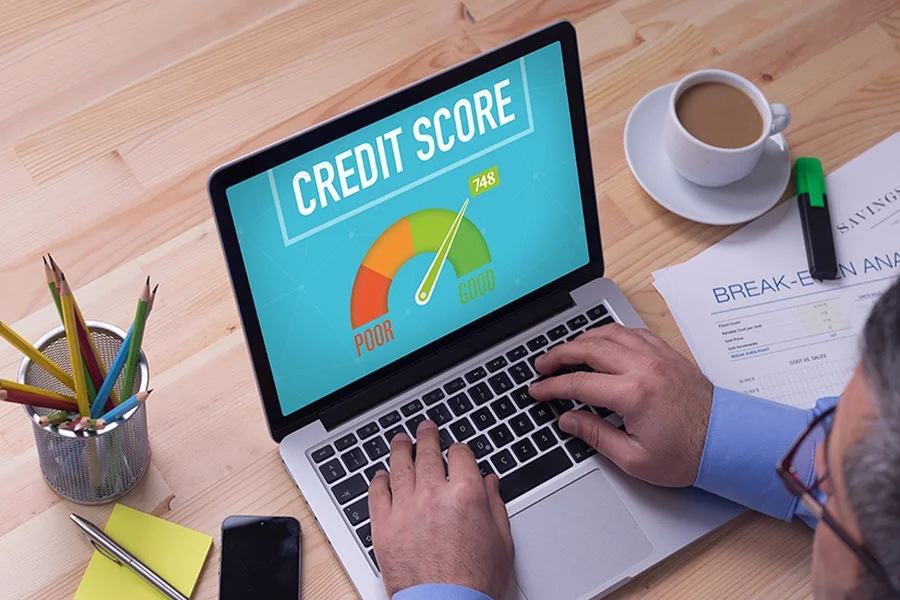
Credit score is significant in your finances. Your score can make or break you whether you are applying to be loaned, rent an apartment or even be issued a new credit card. An excellent credit score can open up more opportunities, whereas a poor score will complicate and increase the cost of things.
The good news is that, it is not as difficult as it might seem to increase your credit score. It is possible to create a strong financial profile over time with the appropriate habits and a good idea of how credit works. In this guide, we’ll cover practical and easy-to-follow credit score tips you need to know.
Know Your Credit Score.
It is necessary to learn how your credit score is computed before you can work on it to improve. The score depends on a number of important factors such as payment history, utilization of credit, length of credit history, credit mix and new credit enquiries.
Payment history is the most important factor. Lenders would desire to know that you are able to pay your bills at the due time. A single defaulted payment will have an impact on your score.
The amount of credit that you are using is called the credit utilization. Maintaining a small number indicates that you are using your credit well.
To gain a better idea of how these factors affect your score and how to control them to benefit you, you can seek the assistance of some financial advisors such as onpresscapital.
Always Pay Bills on Time.
Probably one of the easiest and most efficient methods of raising your credit score is to pay your bills on time. Unpaid late bills may remain on your credit profile and get a huge score down.
To avoid missing payments, consider setting up automatic payments or reminders. This will make sure your bills are paid even when you forget.
Here, consistency is important. On-time payments every month will build credit with the lenders and eventually enhance your credit profile.
Although you may only be able to make the minimum payment, at least you will not miss a payment. This habit can go a long way in the long term.
Maintain Low Usage of Credit.
Another aspect that influences your score is your credit utilization ratio. It is the proportion of your free credit that is in use.
E.g. when you have a credit limit of 1000 and you are spending 300 the utilization rate is 30%. The general suggestion to experts is to keep this number to a low of below 30-percent and even lower.
The overuse of credit can be an indication to lenders that you might be using too much credit, and this will reduce your score.
Should you be interested in learning how to better regulate your use of credit and what you can do to improve financial practices, websites such as onpresscapital can provide viable advice and resources.
Do Not Open an Excessive Number of New Accounts.
It may be tempting to get several credit accounts but you can ruin your credit score by doing so in the short run. A hard inquiry is an outcome of each new application, and it may decrease your score slightly.
Also, creating numerous new accounts can lower the average age of your credit history another factor in your score.
It’s best to apply for new credit only when necessary. This demonstrates to lenders that you are not too reliant on borrowing.
The selectiveness when and why you open new accounts is the way to keep your credit picture stable and healthy.
Store Old Credit Accounts.
The longness of credit history is more important than most individuals think. Having a longer history of credit management can make a positive contribution to your score, as illustrated by the older accounts.
Although you may not use your old credit card regularly, it is not a bad idea to have it open. It boosts your overall credit and assists with a longer credit history.
But be careful of any annual fees or other expenses of maintaining the account in force. When there are, consider the pros and cons and make a decision.
Paying off your old accounts using a few occasions will keep them active and will be a good addition to your score.
Look at Your Credit Report Every 60 Days.
Another important aspect of having a good credit score is to monitor your credit report. Mistakes or fraud may adversely impact on your score, in case they go unnoticed.
This means that you can spot and challenge any inaccuracies by regularly checking your report. This will make sure that your credit profile is a true reflection of your financial behavior.
Numerous services will enable you to view your credit report free of charge and now it has never been easier to be informed.
Taking the initiative regarding your credit report will assist you in identifying problems early so that you are in control of your finances.
Develop Good Financial Practices.
There are no one-time solutions to improving your credit score, instead, it is a matter of good, stable financial practices. Even little steps repeated with time will result in great improvements.
Learn to spend within your means, to avoid unnecessary debt and to make wise financial choices. The habits will not just raise your credit score, but also enhance your financial stability.
Patience is important. It is time-consuming to improve credit and the outcomes justify the means.
With discipline and determination, you are able to acquire a good credit score that can help you in attaining your financial objectives.
Final Thought
Your credit score is not just a number, but it is a manifestation of your money usage and dependability. With a little knowledge of its mechanics and taking some simple and consistent steps, you can score higher and open more opportunities. Decoupage art can transform simple objects into eye catching displays.
When it comes to paying off bills on time, spending your credit wisely, and checking your report, each step will lead towards your total improvement.
It takes time to establish good credit, so remember, it is not a race. Being patient and staying focused, continue to make smart financial decisions.
By doing it the right way, you can create a more secure future financially and control your credit rating.