Influencer marketing has become one of the most important parts of modern advertising. Brands of all sizes now work with influencers to promote products, introduce services, and connect with audiences in a more personal way. Consumers spend hours each day on social media platforms, and influencer recommendations often feel more relatable than traditional advertisements. However, audiences have also become more selective about the sponsored content they trust and engage with.
People no longer respond positively to every paid partnership they see online. Consumers expect honesty, creativity, and value from influencer campaigns. If sponsored content feels forced or unrealistic, viewers quickly lose interest. Successful influencer marketing today depends on understanding exactly what audiences want from these partnerships.
Authenticity Matters Most
One of the biggest expectations consumers have is authenticity. People follow influencers because they enjoy their personality, lifestyle, or expertise. When sponsored content suddenly feels unnatural, audiences notice immediately.
Consumers want influencers to promote products they genuinely use or believe in. If a fitness influencer promotes unhealthy products one week and wellness supplements the next, followers may question their credibility. Audiences appreciate partnerships that align with the influencer’s usual content and personal brand.
Authentic content also includes honest opinions. Consumers understand that influencers are paid for sponsorships, but they still expect real experiences and balanced feedback. A review that only praises a product without showing realistic use can feel scripted and unreliable.
Brands are also learning that authenticity performs better than overly polished advertising. Natural videos, casual storytelling, and behind-the-scenes demonstrations often generate more engagement than content that looks like a commercial.
Transparency Builds Trust
Modern consumers value transparency more than ever. They expect influencers to clearly disclose sponsored partnerships rather than hiding promotional relationships. Proper labels such as “ad,” “sponsored,” or “paid partnership” help audiences understand when content is promotional.
Transparency does not usually reduce engagement. In many cases, it increases trust because followers appreciate honesty. Consumers are more likely to support influencers who openly communicate with their audience instead of trying to disguise advertisements as personal recommendations.
Clear communication is especially important when influencers discuss products related to health, finance, beauty, or lifestyle choices. Audiences want accurate information so they can make informed decisions. Influencers who exaggerate results or make unrealistic claims risk damaging both their reputation and the brand’s image.
Audiences Want Useful Content
Consumers expect sponsored posts to provide some form of value beyond simple promotion. They want content that entertains, educates, inspires, or solves a problem. Influencer marketing works best when products are naturally integrated into meaningful content rather than presented as obvious advertisements.
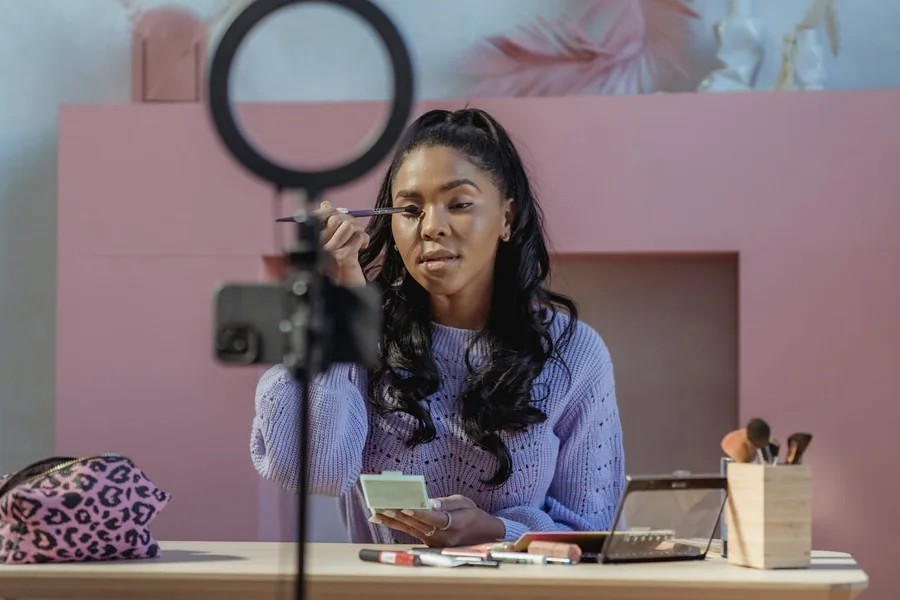
Tutorials, product demonstrations, and real-life examples tend to perform well because they show practical use. For example, beauty audiences often prefer seeing how a product works during an actual makeup routine instead of hearing generic praise about it.
Similarly, travel influencers may create engaging destination guides while featuring luggage, booking platforms, or travel accessories in a natural way. Many brands now work with a TikTok advertising agency to help creators develop short-form sponsored content that feels entertaining while still delivering clear promotional value.
Consumers also appreciate creativity. Repetitive ads with identical scripts across multiple influencer accounts can quickly feel inauthentic. Unique storytelling helps campaigns feel fresh and memorable.
Relatability Is Important
Many people follow influencers because they see them as relatable figures rather than unreachable celebrities. This is why audiences often respond strongly to creators who share genuine experiences, daily routines, challenges, and personal opinions.
Consumers expect sponsored content to maintain that relatable feeling. They want influencers to show how products fit into real life instead of creating unrealistic perfection. Overly edited images and staged situations can sometimes create distance between influencers and their followers.
Micro-influencers have become especially popular because audiences often see them as more approachable and trustworthy. Their communities may be smaller, but followers often feel stronger personal connections to them. This creates higher engagement and more meaningful conversations around sponsored content.
Many brands now work with both large influencers and smaller creators to build campaigns that feel more personal and community-driven.
Honest Recommendations Influence Purchasing Decisions
Consumers are becoming more careful about where they spend money. Because of this, they expect influencer recommendations to feel sincere and researched. Followers often look for influencers who explain why they use a product, how long they have tested it, and what benefits they personally noticed.
Audiences are also interested in realistic expectations. For example, skincare users understand that products may work differently for different people. Influencers who acknowledge this tend to appear more trustworthy than those making exaggerated promises.
The comment section also plays an important role in modern influencer marketing. Consumers often read audience reactions before making purchasing decisions. Positive conversations, genuine questions, and transparent responses can strengthen trust in both the influencer and the brand.
Long-Term Partnerships Feel More Credible
Consumers are increasingly skeptical of one-time sponsorships that appear suddenly and disappear just as quickly. Long-term collaborations often feel more believable because they suggest the influencer genuinely supports the brand.
When audiences repeatedly see a creator using the same products over time, the partnership feels more authentic. This consistency can strengthen brand recognition and create stronger customer confidence.
Long-term partnerships also allow influencers to share more detailed experiences. Instead of offering quick first impressions, they can discuss how products perform after weeks or months of use. Consumers value this deeper level of insight because it feels more realistic and informative.
For brands, building lasting relationships with influencers can create more loyal communities and stronger campaign performance over time.
Consumers Expect Ethical and Responsible Promotion
Today’s audiences pay close attention to the values behind influencer partnerships. Consumers increasingly support brands and creators who demonstrate responsibility, inclusivity, and ethical behavior.
People may react negatively when influencers promote products that conflict with their stated values or appear harmful to audiences. Consumers want brands and creators to think carefully about the messages they share online.
This expectation also applies to diversity and representation. Audiences appreciate campaigns that feature different backgrounds, lifestyles, and perspectives. Inclusive marketing helps consumers feel seen and understood.
Younger generations in particular often support influencers who promote honesty, sustainability, and positive social impact. Brands that ignore these expectations may struggle to build long-term trust.
The Future of Sponsored Content
Influencer marketing continues to evolve as audiences become more experienced with digital advertising. Consumers now expect sponsored content to feel genuine, transparent, and useful rather than overly promotional.
The most successful influencer campaigns are built on trust. Audiences want creators who remain authentic while partnering with brands that align with their values and interests. They also expect content that provides entertainment, education, or inspiration in addition to promotion.
As social media continues to grow, brands and influencers who focus on honesty, creativity, and meaningful audience connections will likely see the strongest results. Consumers are willing to engage with sponsored content when it feels real, relatable, and respectful of their attention.