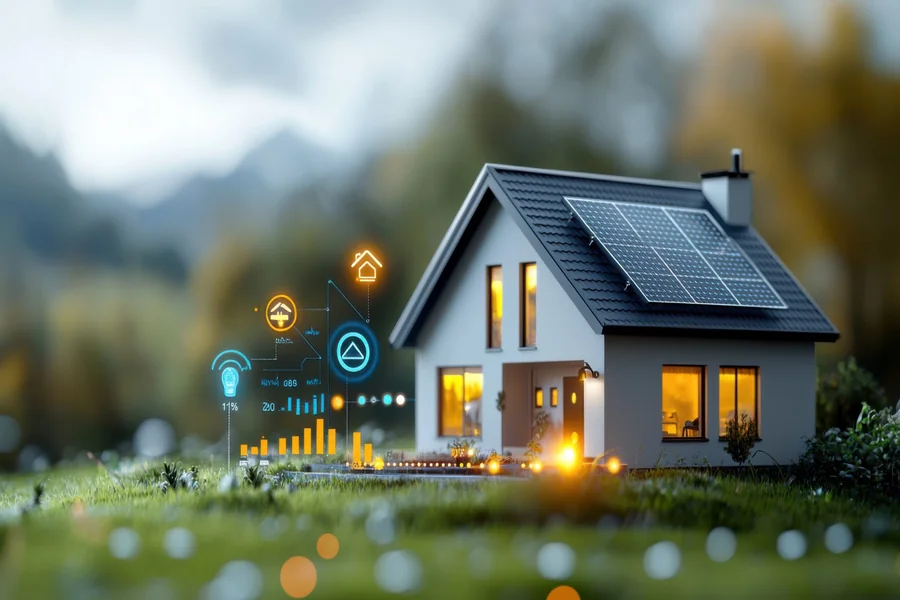
Home Improvement Tips for a More Energy-Efficient House are essential for homeowners who want to reduce energy consumption, lower utility bills, and create a more sustainable living environment. With rising energy costs and growing environmental awareness, making your home more efficient is not just a trend—it’s a smart long-term investment.
The good news is that you don’t need a complete renovation to see results. Simple upgrades and thoughtful changes can significantly improve your home’s energy performance. From better insulation to smarter lighting choices, each step contributes to a more efficient and comfortable home. Home improvement tips are easily available on styletohome.
In this article, we’ll walk through practical and effective tips that can help you improve energy efficiency while maintaining style and functionality.
Upgrade Insulation for Better Efficiency
One of the most important steps in improving energy efficiency is upgrading insulation. Poor insulation allows heat to escape during winter and enter during summer, increasing energy usage.
Adding insulation to walls, ceilings, and floors helps maintain a consistent indoor temperature. This reduces the need for heating and cooling systems to work harder.
Sealing gaps and cracks around doors and windows is another simple yet effective improvement. Weather stripping and caulking can prevent air leaks and improve overall efficiency.
Good insulation not only saves energy but also enhances comfort throughout the year.
Switch to Energy-Efficient Lighting
Lighting is a major contributor to household energy use. Switching to energy-efficient options is one of the easiest ways to reduce consumption.
LED bulbs are a popular choice because they use less electricity and last much longer than traditional bulbs. This means fewer replacements and lower energy bills.
Using natural light during the day can further reduce the need for artificial lighting. Keeping windows clean and using light curtains can help maximize sunlight.
Installing motion sensors or dimmers allows you to control lighting more effectively, ensuring energy is not wasted.
Invest in Energy-Efficient Appliances
Household appliances consume a significant amount of energy. Upgrading to energy-efficient models can make a noticeable difference.
Look for appliances with high energy ratings, such as refrigerators, washing machines, and air conditioners. These models are designed to use less electricity while maintaining performance.
Although energy-efficient appliances may have a higher upfront cost, they provide long-term savings through reduced energy consumption.
Using appliances wisely, such as running full loads in washing machines, can further improve efficiency.
This combination of smart choices and habits helps reduce overall energy use.
Improve Heating and Cooling Systems
Heating and cooling systems are among the largest energy consumers in a home. Improving their efficiency can lead to substantial savings.
Regular maintenance of HVAC systems ensures they operate efficiently. Cleaning filters and servicing units can prevent unnecessary energy use.
Installing a programmable thermostat allows you to control temperature settings based on your schedule. This reduces energy consumption when you’re not at home.
Ceiling fans can also help distribute air more evenly, reducing the need for constant heating or cooling.
Optimizing these systems makes your home more comfortable and energy-efficient.
Use Energy-Efficient Windows and Doors
Windows and doors play a crucial role in maintaining indoor temperature. Poor-quality windows can lead to significant energy loss.
Double-glazed or energy-efficient windows provide better insulation and reduce heat transfer. This helps keep your home warm in winter and cool in summer.
If replacing windows is not an option, you can use window films or thermal curtains to improve insulation.
Ensuring that doors and windows are properly sealed also prevents drafts and energy loss.
These improvements contribute to a more efficient and comfortable living environment.
Reduce Water Heating Costs
Water heating is another area where energy can be saved. Making small changes can reduce both water and energy usage.
Installing a low-flow showerhead reduces the amount of hot water used without affecting performance.
Lowering the temperature of your water heater can also save energy while still providing sufficient warmth.
Insulating water heaters and pipes helps retain heat, reducing the need for constant reheating.
These simple adjustments can lead to noticeable savings over time.
Adopt Smart Energy Habits
In addition to physical upgrades, daily habits play an important role in energy efficiency.
Turning off lights and appliances when not in use prevents unnecessary energy consumption.
Unplugging devices that are not in use can also reduce “phantom” energy usage.
Using natural ventilation instead of air conditioning when possible is another effective practice.
Small changes in behavior, when combined with home improvements, can have a significant impact on overall energy efficiency.
Final Thought
Home Improvement Tips for a More Energy-Efficient House highlight the importance of making thoughtful changes that benefit both your home and the environment. By improving insulation, upgrading appliances, and adopting smart habits, you can reduce energy consumption and lower your bills.
Energy efficiency is not about making drastic changes overnight. It’s about taking consistent steps that lead to long-term benefits.
With the right approach, you can create a home that is comfortable, cost-effective, and environmentally responsible. These improvements not only enhance your living space but also contribute to a more sustainable future.
FAQs
What are home improvement tips for a more energy-efficient house?
They include upgrading insulation, using LED lighting, and installing energy-efficient appliances.
How can I reduce energy consumption at home?
You can improve insulation, use efficient appliances, and adopt smart energy habits.
Are LED lights better for energy efficiency?
Yes, they use less electricity and last longer than traditional bulbs.
Do energy-efficient appliances save money?
Yes, they reduce energy usage and lower utility bills over time.
How can I improve heating and cooling efficiency?
Maintain your HVAC system and use programmable thermostats.
Are energy-efficient windows worth it?
Yes, they reduce heat loss and improve overall efficiency.
What simple habits can save energy?
Turning off unused devices and using natural light can help save energy.