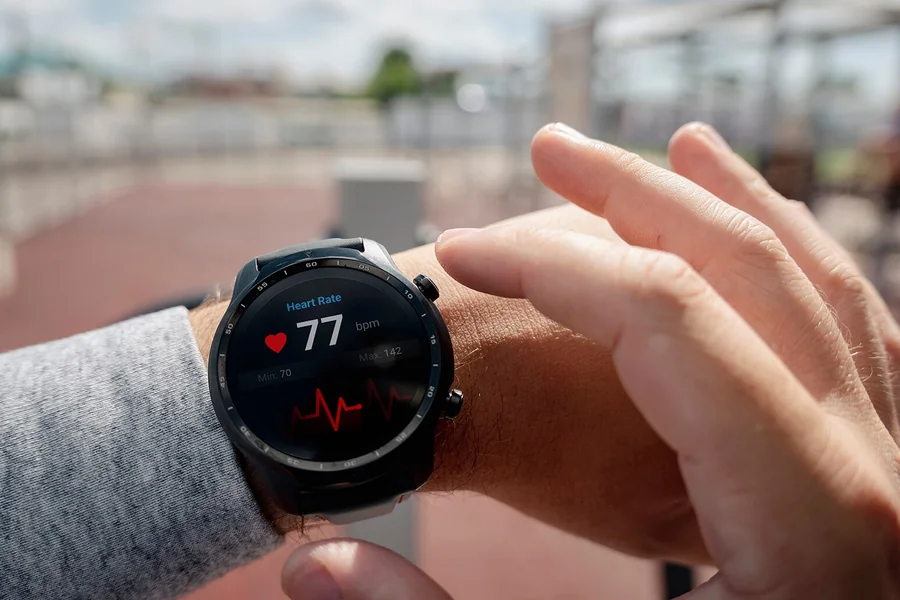
The Question of Why My Heartbeat Is So Rapid After Eating.
Why Is My Heart Rate So High After eating is a question that most of the people pose after realizing how their heart beats faster after having taken a meal. You are sitting there feeling good then a few minutes later your heart gets fast or stronger. This may be awkward and even disturbing. Even in most instances it is a common body reaction but occasionally it indicates something that must be taken care of.
Once you have eaten, your body switches to the digestion mode. The amount of blood supplied to the stomach and intestines increases. To aid food digestion, hormones are released. All this has the ability to influence heart rate. To the point of what is normal and what is not is the key.
The Effect of Digestion on the Heart Rate.
The process of digestion is active. Your body should have and use energy to digest food absorb nutrients and transport them in the system. To keep you going your heart might beat faster.
The blood is diverted to the digestive tract organs. In order to maintain the blood flow to the rest of the body the heart rate may increase slightly. This reaction lasts momentarily and subsides in less than an hour or two.
To the majority of the people, this increment is not extreme. It can be detected only when you monitor your pulse or extremely sensitive to the alterations in your body.
The Implication Of Meal Size and Type of Food.
Big meals usually present a greater reaction. Consuming a large size of food strains the digestive system. Heart labors more in order to aid this process.
Certain foods too can contribute to the same. Rapid changes in blood sugar may be caused by high sugar meals. Hot foods could trigger the nervous system. High-carb foods contain refined carbs capable of causing hormonal imbalance in heart rate.
The effect can be increased with meals containing caffeine and alcohol. These drugs cause the heart and nervous system to be excited.
Postprandial Glycemic Changes.
Blood sugar increases following meals particularly those containing carbohydrates. The body responds by releasing insulin to enter sugar in the cells. This may occasionally cause an increased rate of heartbeat.
When the blood sugar level decreases rapidly following a spike the body can release stress hormones. These hormones may accelerate pulse and make one feel shaky or anxious.
This can be observed more frequently by people with insulin sensitivity problems. Heart rhythm can be influenced by diabetic blood sugar fluctuations even in the absence of diabetes.
Gastrointestinal Disorders And Sensitivities.
There are a few digestive problems which might lead to an increase in heart rate following a meal. The vagus nerve can be stimulated by acid reflux and this will affect the heart rhythm. The food intolerances can cause stress in the body.
Bloating may result in a diaphragm and chest pressure. This may cause the heart to seem like it is racing yet the rate may be slightly increased.
Consumption of food that is too fast may enhance these effects. Taking in the air and filling the stomach excessively adds pressure to the digestive system.
Anxiety And Body Awareness
Fear may enhance physical feelings. Following a meal, one is more conscious of the heartbeat. This consciousness may form a loop of feedback as concern may raise the pulse further.
Stress hormones such as adrenaline elevate pulse and high blood pressure. When food is consumed in a stressful situation then the heart might respond more intensely.
Laid back eating can be used to diminish this reaction. It is possible to make a difference by slowing down and concentrating on breathing.
Dehydration And Balance of Electrolytes.
Dehydration has impacts on circulation. At low levels of fluids, the heart labours harder to pump blood within the body. Dehydration during eating may also elevate the rate of heart.
Electrolytes such as potassium and sodium are also involved. Imbalance may have an impact on the heart rhythm and muscle activity.
The circulation and digestion are helped by taking water before and after meals.
When High Heart Rate Can Be An Issue.
The majority of the post meal heart rate rises are benign. Nevertheless it is worth attention at times. When the heart rate is very high and prolonged or is accompanied by shortness of breath or chest pains that are dizziness then should not be ignored.
Individuals with heart diseases, thyroid or blood sugar issues need to be more attentive. Repeat attacks might need a physician.
Ignoring your body and paying attention to certain patterns can be used to determine triggers.
Suggestive How to Lower the Heartbeat after a Meal.
Simple changes can help. Consumption of small meals lowers the amount of digestion. Having a balanced meal consisting of protein fiber and healthy fats balance the blood sugar.
Slow paced eating enables the body to become accustomed to it. One should not lie down immediately after eating. Light activity such as walking may be helpful in the process of digestion.
Heart stimulation, which is caused by caffeine and alcohol, can also be decreased by limiting these substances during meals. Maintaining hydration during the day helps in maintaining the normal functioning of the heart.
Final Thought
The reason why my heart rate is high after eating is usually attributed to the normal digestive reaction and lifestyle conditions. The organism is striving to digest food and this can interiminarily influence the heart rate. This, in the majority of cases, is not dangerous.
Symptoms may be controlled through an awareness of triggers, such as food choices of meal size and stress, and hydration. Listening and making minor changes may help alleviate stress. Should the symptoms seem extreme or abnormal, then it is always advisable to seek professional counseling.
FAQs About Why Is My Heart Rate So High After Eating
Is it normal for heart rate to increase after meals
Yes a mild increase is common due to digestion and increased blood flow needs.
Can certain foods cause a higher heart rate
Yes large meals sugary foods caffeine and alcohol can raise heart rate.
How long should heart rate stay elevated after eating
Usually it returns to normal within one to two hours.
Can anxiety cause heart rate to rise after eating
Yes anxiety and stress can amplify heart sensations and increase pulse.
Does dehydration affect heart rate after meals
Yes dehydration can make the heart work harder and raise pulse.
When should I see a doctor
If high heart rate is severe frequent or comes with other symptoms like dizziness or chest pain seek medical advice.