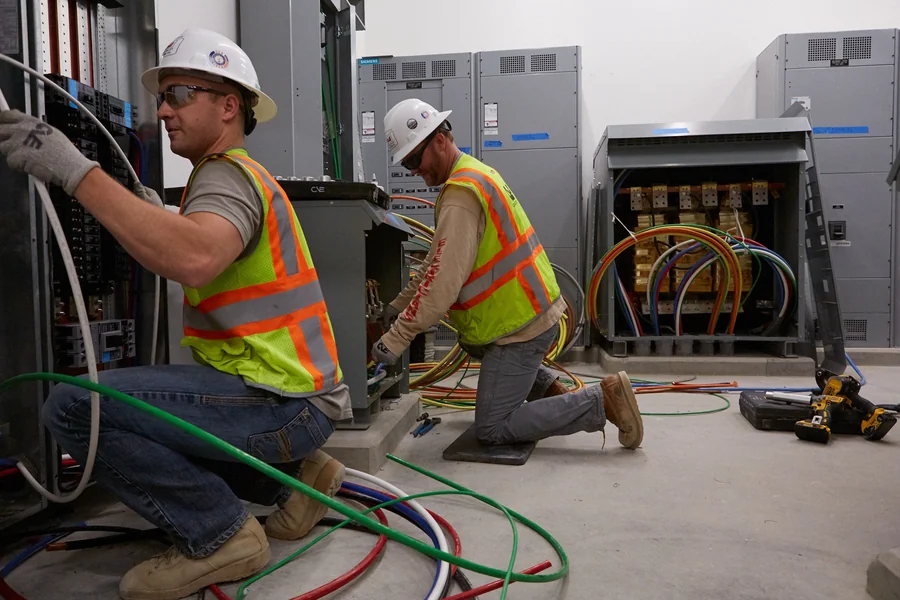
A commercial electrician is a skilled tradesperson who specializes in installing, maintaining, and repairing electrical systems in commercial buildings such as offices, retail stores, schools, hospitals, warehouses, and industrial facilities. Unlike residential electricians, who typically work in homes, commercial electricians handle more complex systems that require higher power loads, advanced wiring configurations, and strict compliance with safety regulations and building codes.
As modern buildings become more dependent on advanced electrical systems, the role of commercial electricians has become increasingly important. They ensure that businesses can operate safely, efficiently, and without interruption.
What Does a Commercial Electrician Do?
The work of a commercial electrician covers a wide range of responsibilities. At the core, they ensure that electrical systems operate safely, efficiently, and reliably. This includes installing wiring systems in new buildings, upgrading outdated electrical infrastructure, troubleshooting electrical faults, and performing routine maintenance.
In new construction projects, commercial electricians read blueprints and technical diagrams to determine where electrical systems should be installed. They install conduits, circuit breakers, transformers, lighting systems, and power distribution units. They also ensure that systems are properly grounded to prevent electrical hazards.
In existing buildings, commercial electricians are often called to diagnose and fix problems such as power outages, faulty wiring, or malfunctioning equipment. They may also upgrade systems to meet increased energy demands or comply with updated safety regulations.
Skills and Knowledge Required
A commercial electrician needs a strong foundation in electrical theory, mathematics, and safety practices. They must understand how electricity flows through circuits and how different components interact within a system. Knowledge of electrical codes is essential because all work must meet national and local safety standards.
Problem-solving is one of the most important skills in this field. Electrical systems in commercial buildings are often large and interconnected, meaning a single fault can affect multiple areas. Electricians must quickly identify problems and determine safe, effective solutions.
Physical ability is also important. The job may involve working in confined spaces, climbing ladders, lifting equipment, and standing for long periods. Attention to detail is critical because even small wiring mistakes can lead to serious safety risks or system failures.
Communication skills are also valuable. Commercial electricians often work with engineers, architects, contractors, and maintenance teams, requiring clear coordination and teamwork.
Training and Certification
Becoming a commercial electrician usually requires a combination of education, apprenticeship, and certification. Most begin with a formal apprenticeship program that lasts four to five years. During this time, they gain hands-on experience while also studying technical theory in the classroom.
Apprentices learn about electrical systems, blueprint reading, safety procedures, and national electrical codes. As they progress, they take on more complex tasks under supervision.
After completing an apprenticeship, electricians typically must pass a licensing exam. Licensing ensures that they meet safety and competency standards required to work independently. Requirements vary depending on the country or region.
Some electricians also pursue additional certifications in specialized areas such as fire alarm systems, industrial controls, renewable energy systems, or advanced automation technologies.
Work Environment
Commercial electricians work in a variety of environments, including office buildings, shopping centers, hospitals, factories, and construction sites. Their work may take place indoors or outdoors, depending on the project.
Because many commercial buildings operate during business hours, electricians often work evenings, nights, or weekends to avoid disrupting operations. This flexibility is an important part of the job.
Safety is always a top priority. Electricians frequently work with high-voltage systems and must follow strict safety procedures. They use protective equipment such as insulated gloves, helmets, and safety boots to reduce risk.
Environmental conditions can also vary widely. Electricians may work in extreme temperatures, dusty environments, or tight spaces depending on the project.
Tools and Technology
Commercial electricians use a wide range of tools. Basic tools include pliers, screwdrivers, wire strippers, and voltage testers. More advanced equipment includes multimeters, circuit analyzers, and thermal imaging devices.
Modern commercial buildings increasingly rely on advanced electrical systems such as automated lighting, climate control systems, and smart energy management technologies. Electricians must be familiar with these systems to install and maintain them effectively.
As technology evolves, electricians also work with renewable energy systems like solar power installations and electric vehicle charging stations. Continuous learning is essential in this field.
Career Outlook and Opportunities
The demand for commercial electricians remains strong due to ongoing construction, infrastructure upgrades, and the growing complexity of building systems. As technology advances, the need for skilled electricians continues to rise.
Commercial electricians can work for construction companies, electrical contractors, maintenance firms, or government agencies. Some choose to become self-employed and operate their own businesses.
With experience, electricians may advance into supervisory roles, project management positions, or specialized technical careers. Others may move into teaching or training apprentices.
Importance of the Profession
Commercial electricians play a vital role in modern society. Nearly every commercial building relies on electricity for lighting, communication, security, and daily operations. Without electricians, businesses would struggle to function safely and efficiently.
Their work also supports energy efficiency and sustainability. By installing modern systems and upgrading outdated infrastructure, commercial electricians help reduce energy consumption and improve environmental performance.
In addition, they contribute to public safety by ensuring that electrical systems meet strict codes and standards. Proper installation and maintenance help prevent electrical fires, equipment failures, and other hazards.
Conclusion
The commercial electrician is an essential professional in the modern built environment. Their work ensures that commercial buildings operate safely, efficiently, and reliably. From installing complex electrical systems in new construction projects to maintaining and upgrading existing infrastructure, they play a critical role in supporting business operations and everyday life.
As buildings become more advanced and energy systems more complex, the importance of commercial electricians will continue to grow. Their expertise not only keeps the lights on but also helps shape the future of safe, efficient, and sustainable buildings.