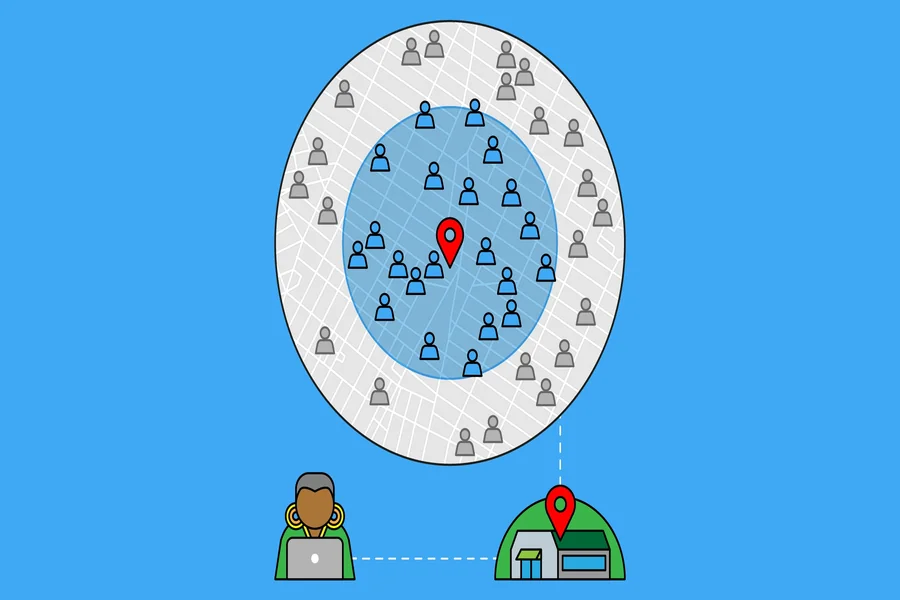
In today’s fast-paced digital landscape, businesses with multiple locations face unique challenges in connecting with their audiences. Traditional marketing strategies often fall short when trying to engage local customers. Enter hyper-local paid media strategies—a game changer for multi-location campaigns that target consumers right where they are.
Picture this: a potential customer is just steps away from your store and searching for the best options nearby. With the right approach, you can capture their attention at precisely the right moment. Hyper-local strategies focus on delivering personalized messages to individuals based on geographic proximity, ensuring your brand stands out in a crowded marketplace.
As we delve into this topic, we’ll explore how these targeted techniques not only drive foot traffic but also enhance brand loyalty across all your locations. Whether you’re looking to optimize existing campaigns or start fresh, understanding hyper-local tactics can elevate your marketing efforts and yield impressive results. Let’s dive deeper into what makes these approaches effective!
Benefits of Implementing Hyper-Local Strategies for Multi-Location Businesses
Hyper-local strategies can transform how multi-location businesses engage with their audience. By focusing on specific neighborhoods or communities, brands can tailor their messaging to resonate deeply with local preferences.
This approach fosters brand loyalty. When customers feel a connection to a business that understands their unique needs, they are more likely to return. Personalized offers and promotions based on local trends enhance this bond.
Additionally, hyper-local campaigns typically see higher conversion rates. Targeting individuals at the right time and place increases the likelihood of immediate action—whether that’s visiting a store or making an online purchase.
Utilizing localized content also boosts search visibility in regional markets. This leads to improved rankings in search engine results, driving organic traffic alongside paid efforts.
These strategies enable efficient resource allocation. Businesses can prioritize marketing spends where they yield the highest returns instead of spreading budgets thin across various locations without focus.
Understanding Your Target Audience and Their Online Behavior
To create effective multi-location campaigns, it’s crucial to understand your audience deeply. Each location might attract a different demographic, influenced by local culture and preferences.
Start by analyzing customer data from each area. Look for trends in age, interests, and shopping behaviors. Tools like Google Analytics can provide insights into how users interact with your content based on their geographical locations.
Social media platforms also offer valuable information. Monitor engagement levels and feedback on posts tailored to specific regions. This reveals what resonates with local consumers.
Additionally, consider conducting surveys or polls within each community. Direct feedback is invaluable for refining strategies that cater specifically to their needs.
Understanding these nuances will help you craft relevant messages that connect emotionally with your target audience across various locations.
Creating a Customized Approach for Each Location
Creating a customized approach for each location is vital in multi-location campaigns. Each area has its own unique culture, preferences, and demographics. Ignoring these nuances can lead to missed opportunities.
Start by analyzing local trends and consumer behaviors. What works in one city might not resonate in another. Tailor your messaging to reflect regional interests and values.
Engage with community events or local influencers to build trust. This personalization fosters a connection that resonates with potential customers.
Additionally, consider localized offers or promotions that cater specifically to the needs of each market. A targeted campaign can drive foot traffic and online engagement significantly more than a generic approach.
Stay flexible. Monitor performance metrics closely and be ready to pivot strategies based on real-time feedback from different locations. Adaptability ensures that each location feels valued and understood.
Leveraging Local Keywords and Directories
Choosing the right local keywords is essential for any multi-location campaign. These terms should reflect not just your services, but also the specific areas you serve. Think about what potential customers are searching for in each location.
Using tools like Google Keyword Planner can help identify high-traffic local phrases. Focus on long-tail keywords that include geographic modifiers—like “best pizza in downtown” or “car repair near Main Street.”
Directories play a crucial role too. Ensure each location has its own entry on platforms such as Yelp, Google My Business, and Yellow Pages. Consistent NAP (Name, Address, Phone) information across these directories improves visibility.
Additionally, encourage customer reviews on these platforms to boost credibility and engagement. The more localized your approach with keywords and directory listings, the better you’ll connect with your audience in every area you operate.
Utilizing Geotargeting and Geofencing Techniques
Geotargeting and geofencing are powerful tools for multi-location campaigns. They enable businesses to deliver tailored ads based on a user’s physical location. This hyper-local approach ensures that your message reaches the right audience at just the right moment.
With geotargeting, you can define specific geographic areas where your ads will appear. This means only potential customers in those locales see your promotions, increasing relevance and engagement.
On the other hand, geofencing creates virtual perimeters around physical locations. When users enter these zones, they receive notifications or offers directly on their devices. It’s an effective way to drive foot traffic into stores while enhancing customer experiences.
Both techniques provide valuable data insights as well. You can track ad performance within defined boundaries and adjust strategies accordingly. Engaging customers when they’re nearby makes it easier to convert interest into sales.
Measuring Success and Adjusting Strategies for Optimal Results
Measuring success in multi-location campaigns involves more than just tracking clicks. It’s about understanding the impact on each individual location and how they contribute to your overall goals.
Utilize analytics tools to monitor key performance indicators, such as conversion rates, customer engagement, and ROI. These metrics will reveal which locations thrive and which may need a little extra attention.
A/B testing can also provide insights into what resonates with your audience. Experiment with different ad copy or targeting strategies across various regions. This allows you to refine your approach based on real-time data.
Don’t shy away from making adjustments mid-campaign. If a particular strategy isn’t yielding results for one location, pivot quickly. Tailoring your tactics ensures that every dollar spent maximizes its potential return.
Regularly review these insights to stay ahead of market trends and shifts in consumer behavior within each area you serve.
Case Studies of Successful Multi-Location Businesses Using Hyper-Local Paid
Examining real-world examples can provide invaluable insights into the effectiveness of hyper-local paid media strategies for multi-location campaigns. Companies that successfully implement these strategies often see remarkable outcomes.
Take a look at Starbucks, which utilizes geotargeting to push promotions based on user proximity to their stores. This approach not only increases foot traffic but also boosts brand loyalty among local customers who receive tailored offers just when they need them.
Another notable example is the fast-food chain Chipotle. They effectively use localized content in their advertising, showcasing limited-time menu items unique to specific regions. By doing this, they create urgency and relevance, prompting immediate visits from potential customers.
Retail giant Target has mastered the art of leveraging local directories and keywords by optimizing their ads for specific neighborhoods. Their consistent presence across various platforms ensures that users find relevant information quickly—whether they are searching online or navigating through mobile apps.
These case studies illustrate how multi-location businesses can thrive by embracing hyper-local strategies focused on understanding customer behavior and preferences within each community. The key takeaway is clear: tailoring your approach allows you to connect more deeply with local consumers while driving meaningful results across all locations.