Explaining What Is the Ideal Heart Rate to Burn Fat.
One of the most widespread fitness questions that an individual asks when starting to exercise is Where Should My Heart Rate Be To Burn Fat. You have probably encountered the fat burning zone in the gym or may have encountered heart rate charts on treadmills. The concept itself is easy to understand but the science is more complex.
Your heartbeat rate is an indicator of the intensity of your body. As you work out, more oxygen is required in your muscles. The pumping of your heart is increased to get that oxygen to your blood. Various changes in the heart rates are called zones and indicate varying degrees of intensity.
It is not about burning fat and having a magic number. It is one of striking the appropriate balance between intensity duration and consistency. Knowing what are the heart rate zones can make you train smarter and not harder.
What Is Maximum Heart Rate
You must also approximate your maximum heart rate before making the decision Where Should My Heart Rate Be To Burn Fat. The maximum heart rate is the maximum number of beats every minute which the heart can handle during intense physical exercise.
The formula that is commonly applied is 220- your age. An example would be that in the age of 30 years your approximate maximum heart rate would be 190 beats per minute. This is not an exact number, this formula provides a general estimate.
There are more complex formulas available but to a large number of individuals the 220-age method gives a viable starting point. The percentages of this maximum give your training zones, as a percentage.
The Fat Burning Zone in a Nutshell.
The fat burning zone is normally considered to be between 60 and 70 percent of your maximum heart rate. This level of intensity puts additional load on the fat body as a source of energy over the carbohydrates.
A maximum heart rate of 190 beats per minute would give a 30 year old a 60 percent and 70 percent of his maximum heart rate of about 114 and 133 beats per minute respectively.
It is a good range where you can speak easily yet you know that you are exercising. It has been commonly related to things that are always constant like fast walking, light jogging, or bicycling at a slow pace.
It should however be noted that a greater amount of calories burned in this zone are possibly due to fat but the overall amount of calories burned may be less than high intensity workouts would.
Increased Exercise and Fat burning.
Most of them believe that it is best to stay in the fat burning zone when losing weight. Factually intense exercise is able to burn more total calories within a shorter period.
At working 70 to 85 percent of your maximum heart rate the body utilizes more carbohydrates to supply energy. However, there is an increase in the total amount of calories spent. This may eventually result in increased fat loss.
High-intensity interval training involves the intermittent high-intensity exercise and rest. The method makes the heart rate rise massively and it can increase the metabolism even when the exercise is over.
It is not the selection of one approach over the other. A combination of moderate and high intensity will tend to give balanced and sustainable results.
What Is the Safest Heart Rate to Burn Fat.
The safety is an issue when making decisions Where Should My Heart Rate Be To Burn Fat. The novices should begin at the low-end of the moderate range of 50 percent to 60 percent of the maximum heart rate.
Intensity can be gradually increased as fitness increases. Excessive overworking may cause fatigue damage or burnout.
Individuals who have heart ailments and high blood pressure or other medical issues need to involve a medical expert before undertaking a new workout plan.
It is necessary to listen to your organism. On the extreme case when you are dizzy and short of breath or discomfort on your chest, you need to stop exercising and consult a physician.
The How To Measure Your Heart Rate.
It is now easier to track heart rate. To determine this manually, you can use 2 fingers on your wrist or neck and count the beats in 15 seconds and multiply it by 4.
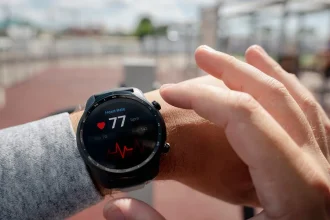
Fit watches and smart watches give real time heart rate. Chest strap monitors can be more precise particularly in case of vigorous exercise.
It is recommended to measure in the middle of the workouts to make sure that you are in the area that you want. With time you will know how various intensities would feel without having to watch figures constantly.
Tracking consistency will enable you to customize workouts according to the progress or goals.
Conditions Which Determine Fat Burning.
Where Should My Heart Rate Be To Burn Fat is a number bigger than what numbers can make. There are a number of factors that affect the utilization of energy in your body.
The level of fitness is significant. The more you are conditioned your heart muscles pump more efficiently. You can burn with a higher heart rate than when you had initially started training.
Diet also matters. A healthy diet helps to maintain energy and proper exercise. Severe calorie-restriction may decrease performance and lower the metabolism.
Hormones which determine fat storage and energy consumption are dependent on sleep and stress. Stress can be controlled and the importance of having rest can be enhanced.
The reaction of individuals to exercise is also genetically predetermined. It is not constructive to compare yourself with other people. Focus on personal progress.
Heart Rate Training and Strength Work.
Cardio is just but a part of the equation. Strong exercises develop muscle that raises the resting metabolic rate. Having more muscles this is because your body is burning more calories when you are resting.
You do not have to decide whether to go with cardio or weights. The combination of the two forms an all-inclusive fat loss plan.
Power work outs might not maintain your pulse rate at the conventional fat burning zone constantly. However, they are associated with the long term changes in body composition.
An average workout plan could comprise of moderate steady cardio high intensity workouts, and two or three strength workouts per week.
Stereotypes in relation to heart rate fat burning.
Among the myths is the fact that fat burning zone alone ensures that one is not going to gain weight. In fact the balance of calories in the long run is determinant of fat loss.
The other myth is that the more people sweat the more fats they are burning off. Sweat is not only indicative of body temperature but not always the use of fats.
There are those who feel that it is always good to exercise longer at low intensity. In a hectic and time-constrained schedule more intense sessions can be convenient and more effective.
Learning these myths will make you get out of frustration and concentrate on sustainable habits.
Final Thought
Where Should My Heart Rate Be To Burn Fat is not the process of pursuing one ideal number. A range of 60 percent to 70 percent of maximum heart rate is known as the fat burning zone and is a good guide in the cases of a novice and the steady workouts.
Nevertheless, total calorie burn consistency, strength training nutrition, sleep, and stress management are all results. A common fluid approach with mixed intensities would tend to result in more success in the long term.
Instead of taking an obsession with the perfect beats per minute, take a routine that you can stick to. The long-term action in weeks and months will result in significant reform. It does not mean that you should stick to your heart rate.
FAQs About Where Should My Heart Rate Be To Burn Fat
What heart rate zone burns the most fat
The traditional fat burning zone is around 60 percent to 70 percent of maximum heart rate.
Is it better to exercise at low intensity for fat loss
Low to moderate intensity is effective but combining it with higher intensity sessions may increase total calorie burn.
How do I calculate my maximum heart rate
A simple estimate is 220 minus your age which gives an approximate maximum heart rate.
Can beginners use the fat burning zone safely
Yes beginners should start at moderate intensity and gradually increase effort as fitness improves.
Does higher heart rate mean more fat loss
Not necessarily. Higher intensity burns more calories overall but fat loss depends on long term calorie balance.
How long should I stay in the fat burning zone
Sessions of 30 to 60 minutes at moderate intensity are common though duration depends on your fitness level and schedule.
Do I need a heart rate monitor to lose fat
No but a monitor can help track intensity and keep workouts consistent.